Showing posts with label classic. Show all posts

Friday, March 17, 2017

What I Read in March 2016 Part V

What I Read in March 2016 Part V. . .

War and PeaceWar and Peace by Leo Tolstoy--Classic/Historical Fiction/Historical Romance

Tolstoy's sweeping history/soap opera set during the years 1805-1812, when Russia was involved in the Napoleonic Wars. The war affects the lives of the fictional characters so that nothing will ever be the same again.

This is a hard book to review. I didn't read every word or even every page. I was far more interested in the soap opera plot than the military history. If I wanted to read military history, I would pick up a book on military history. I can even read Tolstoy's sources, granted they're translated to English. The long, long military history passages were incredibly tedious and boring. I also did not care for the lengthy philosophical passages at the end. I skipped part II of the epilogue. By that point I was so done with this book! The moral and religious overtones didn't thrill me either but they are to be expected in a 19th century novel.

Where the writing really shines is in the soap opera worthy plot. Right away we learn about current events through the gossip of the characters. I really liked this technique. The scene not only introduced the reader to the main characters but to the historical background against which the plot is set. At times the writing is witty and the plot is so engaging I read longer than I intended. This translation is excellent. It retains as much of the original French and German text as possible and attempts to capture Tolstoy's words accurately. I liked the use of footnotes to learn more about the background and to translate what I couldn't understand. The free translation on Project Guttenberg is not as correct and does not have footnotes.

It was difficult to keep track of all the characters at first but a handy cheat sheet in the beginning of the novel helped. I did find the use of titles, names and nicknames for a single person a little confusing and it would have helped if those names were included in the cheat sheet. I caught on eventually and even managed to remember who the fictional characters were. I lost track of the real life figures except for Napoleon and Alexander I. I really liked the fictional Rostov family. They're very kind and loving towards each other and good friends to those who need it. I was charmed by the sweet, loving Natasha Rostova. The young Countess is the best judge of character as a child and she's the peacemaker of the family, always trying to calm someone down and reassure them. She does have a moment of weakness as a teenager that made me want to slap her and then she goes through a period of depression that isn't much fun to read about but I still felt some affection for her. I was a little surprised by the ending to her story. Her older brother Nikolai is a young man of good looks but isn't terribly vain about it. His plot is a young man's coming of age. He had a lot of growing up to do during the course of the story. I wasn't thrilled with his ending. I didn't see his character evolving that way. Natasha's cousin Sonya is sweet and lovely. She's a poor relation but treated kindly, for the most part. She's in love with Nikolai but the course of true love ne'er did run smooth. She's a little too Fanny Price-ish towards the end of the novel. Young Petya is lively and foolish as most young boys are but I liked him during his brief appearances on page.

I also loved Princess Marya Bolkonsky. She's a plain looking heiress who has no opportunity to try to attract men because her eccentric father keeps her at home in the country where he can bully her. Marya is strong in her Faith and never wavers. She needs it to keep her going throughout the course of the story. Sometimes I found her a little TOO good but she does have moments when she's not perfect and I appreciated that. I thought she should be a bun but she wanted someone to love her and a family of her own so I wanted that for her. I was quite surprised by her ending and wasn't entirely thrilled with it. Marya's sister-in-law, Liza, is also a sympathetic character. She's young, pregnant with her first child, terrified because everyone has been filling her head with horror stories and upset at having to leave behind all she knows in the city and move to the country with people she barely knows while her husband marches off to battle. I had a low opinion of her husband, Prince Andrei, at that point. Liza seems very sweet and though not very bright, she is likable.

My favorite male character is Pierre, Count Bezukhov. He's a lost soul who wants to be a good person but doesn't have the strength of character to do it. He's a philosopher at heart and has some good mentors who try to help him find his path. I was rooting for him to find his way and achieve happiness. I identified with his status as a misfit. Another male character I liked was Vasily Dmitrich Denisov. He's a soldier but not hardened by experience. He's fun and cheerful and I enjoyed him. He gets completely dropped for a huge chunk of the novel and I was left wondering if he was still alive and what happened to him.

The other leading male character is Prince Andrei Balkonsky. I have complicated feelings about him. In the beginning I found him rather arrogant and disliked how dismissive he was of his wife and sister's feelings. However, when he was close to death he became philosophical and I really liked him then. His thoughts are some of the most beautiful writing in this novel. At times he was also too proud and not very kind. Towards the end of the book, I liked him much better but then he became philosophical and discovered God, of course, before he can have an ending to his story.

Boris Drubetskoy is another major male character. Though noble, he is impoverished and seeks money and power where he can. I found him too pompous and calculating to be appealing. His story doesn't come to a satisfactory end. He gets dropped in the wrap-up of too many characters.

The single worst character in the novel is Princess Elena Vasilyevna (Hélène) Kuragina. She's completely despicable. She's very beautiful and knows it and is able to use her beauty to her advantage. She's horrid to another character I liked and even toys with a young girl's feelings, knowing the girl would be ruined. Her entire family is revolting. Her father is calculating, toad-eating and crazy and her rakish brother Anatole is selfish and without a conscience.

I liked parts of this book but not the whole of it. It's way too long to read again. I watched some of the mini series on TV recently and I'll finish watching but it was a little too racy for me. I want to track down the BBC version from 1972.


What I Read in March 2016 Part III

What I Read in March 2016 Part III . . .


Miss MoleMiss Mole by E.H. Young--Historical Fiction/Classic

Miss Hannah Mole, a spinster of almost 40 years, has an abundance of imagination and spirit but a decided lack of money. She's forced to make a living hiring herself out as a companion to cranky old ladies or some other type of demeaning job. After a brief interlude at Mrs. Gibson's boarding house where she rescues a man from a suicide attempt and earns a cold shoulder from boarder Mr. Bleckinsop, she takes a place as housekeeper to Nonconformist minister Robert Corder. She disagrees with his severe black and white approach to morals and with the way he is raising his family. Hannah prefers the company of nephew Wilfred to her employer. She would leave but younger daughter Ruth, emotionally fragile and still reeling from the death of her mother, really needs Miss Mole's kindness and humor. Mr. Corder also wages his own battle with Mr. Bleckinsop, who wants to leave the chapel and with Mr. Pilgrim, a rival minister and mystery man from Hannah's past. When Hannah's past threatens to catch up to her, she makes plans to leave but can't bear to continue on as before. She has a dream of love and a home of her own despite a tainted past.

I have mixed feelings about Miss Mole. I liked/didn't like her sense of humor. I liked how it kept her sane and kept Ruth happy but I didn't like how she teased her wealthy cousin. She was also pert with Robert Corder, who is not a likable person, but he doesn't have the sense of humor to even understand her and it just makes him hate her. I also didn't like how she flaunted secret knowledge in his face. She felt bad about it, which is good. I didn't really see why her past was anyone else's business and why it would affect her present. I did like her enough to want her to be happy. She's a complicated character. I did like Ruth. I felt bad for her because her father was so awful and pompous. He didn't understand her and I gather that her mother did. The loss of her mother really affected Ruth and her father is not sympathetic. Miss Mole manages to get Ruth to come out of her shell a bit. Ruth's older sister Ethel is more like their father but she has a mind of her own and wants to get out of her father's house. She's not daring enough to be a real rebel and I found her irritating. Miss Mole's cousin Lilla was also a bit annoying. She's stuffy and snobby, without a sense of humor and everyone wants to please her. Mr. Samson was my favorite character and he was hardly in the book. I enjoyed his refreshing frankness and he reminded me of Mr. Harrison in Anne of Avonlea. Mr. Bleckinsop is confusing. He exhibits a lot of character growth without really being in the story much.

This story is told not quite stream of consciousness but it's mostly Hannah's internal thoughts and feelings. There's a little bit in the heads of the other characters. I found it confusing because Hannah doesn't tell the whole story of things that really happened and we get a lot of information after the fact. She talks about the Riddings and Mr. Pilgrim but we're not shown what happens with the Riddings. We don't get the full story about Mr. Pilgrim and only finally get the story of her "sordid" past.

This book wasn't really my cup of tea but it wasn't terrible either.

What I Read in January 2016 Part I

What I Read in January 2016 Part I . . . 

Frankenstein by Mary Woolsonecraft Shelley--Classic/ Historical Fiction/Horror

Frankenstein: Tie-In Edition If you only know Frankenstein from the horror films, forget what you know. This is a complex tale of what it means to give life and the responsibilities that comes with. It debates nature vs. nurture and provides a lot of food for thought.

Victor Frankenstein has a lot in common with a certain snake-like villain who shall not be named. They both pursue the study of old philosophers/wizards for the sake of knowledge that will bring them glory. Victor has a slightly different motive in mind. While he doesn't wish to subjugate Muggles, he does something nearly as bad - he creates life and then abandons his creation - in essence he tries to play God. While the Romantic writers weren't known for being particularly pious, this book draws heavily on Milton's Paradise Lost (which I have not read). In essence, Victor tries to play God and suffers the consequences.

What are the consequences of creating life? What is one's responsibility to the life one has created? Victor's response is to scream, faint and become ill for long stretches at a time. He takes absolutely no responsibility for his actions and continues to blame fate and destiny for his misfortunes. I didn't find him a sympathetic character at all. I felt more sympathy for the Creature, who goes unnamed throughout the novel, except for a number of negative epithets like demon, wretch and devil. He doesn't have a proper name and he doesn't have anyone to guide him through life and help him figure out who he and find his place in the world. Instead he's condemned because of his gruesome appearance and forced to flee. He becomes self-educated and realizes Victor, who should claim some responsibility for him, instead hates him. The two begin an antagonistic battle where neither shall live while the other survives. What happens throughout the novel is of course tragic but it doesn't happen because of destiny. Victor annoyed the heck out of me because of his unwillingness to take responsibility for his actions. I felt sorry for everyone else except for him. However, he did have a good point about not doing what the Creature asked. I think though, that it could have worked and if it didn't, the Creature would have taken care of any problems.

This book features two unreliable narrators. It's a story within a story plus another story within that and yet another story emerges! Walton tells the story as he heard it from Victor. Victor claims he's telling the truth but who knows? Then we get the Creature's story, but it's told by Victor and is Victor's representation of his Creature and the Creature's words and deeds. Is it the truth? What is the truth and is the truth stranger than fiction? We never know. All we have is Walton's word that Victor claimed to be telling the truth.

I found it hard to get through this novel on my own without the pressure of class deadline. I forgot how much of the story is told in "high falutin'" language. There are also tons of classical allusions and references to unfamiliar European locations. I read the 1818 edition this time. There are some minor changes, the most significant being Elizabeth's heritage and Victor's free will. Romantic Circles has a very nice annotated online edition of the novel and I compared both editions at JuxtaCommons.

I don't know how many stars to give this book, so I'll rate it 4/5 because I enjoyed it so much in college but not so much this time around.

Monday, January 25, 2016

What I Read in May 2015 Part V

What I Read in May 2015 Part V ...

Wives and Daughters-by Elizabeth Gaskell- Historical Fiction Classic

It's impossible to summarize the plot of this book. It's not quite a romance and it doesn't have the grand political statement of North and South but it does have some romance, some drama, some comedy and the backdrop of the idyllic English countryside. Sue Birdwhistle, the producer of the mini series sums up the story well : "[It's about] where love comes from, how it grows, how it can break our hearts, how it can bring happiness and fulfillment. It's about the mistakes we make and the secrets we have to keep."

I had a hard time getting into the book at first, having seen the miniseries. It was difficult to go forward knowing what would happen but there were subtle differences and things I didn't remember which made me want to read on. The prose is mostly very modern. The book doesn't read like a typical 19th century domestic novel at all. Some of the language and situations places the book in the 19th century but the overall narrative and the characters exist anywhere. There are some subtle messages here about class consciousness, trying to be someone you're not, the worth of a man, and the downside of having too much pride and extreme (unfounded) prejudices. Gaskell doesn't spell it out and hit you on the head with her messages but allows her characters to slowly change and grow over time to accept changes in their lives. There's a good deal of subtle humor in the story too. The minor characters, the Misses Browning are the types of spinster ladies who populate Gaskell's famous Cranford chronicles. Also Lady Cumnor is (unintentionally on her part) funny. Her husband is intentionally funny, at least he thinks he is. The humor adds a lot to the story and delivers a message without a punch. It's a testament to Gaskell's writing that she could pull it all off. Though she died before she finished the novel completely, she left notes on what happens in the next and final chapter.

Molly Gibson, a country doctor's daughter, is a bit too noble and good for my tastes. Occasionally she shows bursts of temper but she never completely loses her cool. She does deliberately disobey when the occasion requires it. She's sort of like a priest, being the peacemaker and privy to everyone's secrets. Despite her goodness, she is a sympathetic character and I wanted her to be happy.

Molly's father, Gibson, was not my idea of a good father. He was in some ways close to his daughter yet he never really stopped to think about her feelings. He let her be raised in innocence and ignorance by others and continually has his head in the sand when it comes to Molly. He does not want to get involved in domestic relations and he does not want Molly to grow up. He mishandles all his domestic affairs and it all falls on Molly's shoulders to bear the burdens alone.

Osborne and Roger Hamley are about as different as brothers can be. I wasn't crazy about Osborne. He's more of a typical Victorian town gentleman and his manners are too polished. Yet, he's very realistic because he feels the weight of his parents' expectations and the burden of keeping a big secret. Roger is the typical younger son. He better fits the country squire mold than his brother but his parents do not have high hopes for him. He's quiet and kind and too good. He makes one mistake, one most men do and that makes him a bit more human. I found him endearing though, for the most part.

The Kirkpatrick women are complex characters. Hyacinth is horrible and completely unfeeling yet at one point I felt a little sorry for her because she's not too bright and the thought never occurred to her that others don't have the same lack of moral code she does. Her daughter Cynthia is more complicated. On the surface she seems a lot like her mother but fortunately she was shunted off to school at a young age and didn't see her mother very often. She has more depth of feeling and consciousness than her mother. She recognizes her mother's faults and I enjoyed her quick witty barbs directed at her mother. Cynthia wants to be good like Molly but she can't because she wasn't brought up to feel the way Molly does about things. I have mixed feelings about her. I want to like her and I do but I don't fully trust her or embrace her as a loved character.

Besides Hyacinth, the villain of the piece (if there is one) is really a nasty sort of man. Gaskell intended him to be three-dimensional and probably thought we should have sympathy for him but he just is not a nice person.

The one character I loved the most was Squire Hamley. My heart went out to him and broke with his. I loved his relationship with Molly. Their friendship is so beautiful and loving. He's sort of a second father to Molly and she feels comfortable with the Hamleys. I also loved how he has to experience a lot of negative change in order to grow as a person. He's gruff yet loving, proud yet kind. His limited life experiences fill him with negative prejudices. He has the biggest change to go through and the most at stake. It helps that he was played so amazingly by Michael Gambon (who I did NOT like as Dumbledore but loved in Wives and Daughters and Cranford).

My other favorite character is Lady Harriet. The daughter of Lord and Lady Cumnor, she enjoys a hearty horseback ride and isn't snobbish in visiting with the locals. She recognizes the faults of others with a self-satisfied smugness but I enjoyed her wit. I also loved that she was Molly's friend and champion.

The secondary characters are the best. Gaskell truly excels at creating quirky village inhabitants.

This is a classic novel that's not well known but if you love Jane Austen, you should definitely read this book.


Sunday, October 20, 2013

What I Read This Week

What I Read This Week . . .


Battle Magic by Tamora Pierce -- Young Adult Historical Fantasy

Briar, Rosethorn and Evvy have been traveling in the kingdom of Gyongxe, a kingdom high in the mountains were people come to built temples to be closer to the gods. While Evvy practices her magic and learns about ancient shaman magic, Rosethorn is suffering from the altitude and homesickness. Briar can't wait to get his teacher back home where she will be healthy and he can be with his plants. Before they begin their final journey home they receive an invitation from the Emperor of Yanjing to come view his gardens. Rosethorn and Evvy chafe at the restrictions placed on women but Rosethorn feels it will all be worth it once she sees the famous gardens. Behind the beautiful facade of court life, the travelers discover there is a darker side to the Emperor. Evvy befriends a slave, Parahan, a captive prince from a nearby kingdom. Just as the travelers leave Yanjing, Evvy reveals startling news: the Emperor plans to attack Gyongxe. Rosethorn is sworn to defend the First Temple of the Living Circle and she must warn her friends. Briar won't leave without his beloved teacher and Evvy feels the need to stay too. Rosethorn is given a difficult and dangerous task while Briar and Evvy must use their magic to defend their friends. This story is much darker and violent than I remember the previous Emelan novels being. It's more mature in tone and definitely for older readers. The violence is frightening and some really horrific things happen in the novel. I was a bit put off by all the violence and it took me a few nights to get through the book. I wanted to know what happened but it was a difficult read. I knew the outcome since I read Will of the Empress and Melting Stones. As usual, the characters' relationships with each other provide much needed humor. I love Evvy and her cats. This story also contains more overt sensuality and sexuality than previous novels. I was surprised by something that happened in the plot and it seemed to come out of nowhere. What Tamora Pierce really excels at is world building. I could easily imagine a world like ancient Asia, high in the Himalayas. The magic building is really strong but I don't care for Evvy's stone magic and a lot of what happens in this story is just too hard to believe. It's more fantasy than the previous novels (except Melting Stones). I also didn't like how the story jumped around from Briar to Rosethorn and Evvy. I feel like Evvy was the most developed of the three and I really felt for her. We already know Briar and Rosethorn so I guess it makes sense to develop Evvy the most but I felt like there needed to be something more there. The story stands on it's own somewhat but it's best if you know the characters and the world. I feel like the world of Emelan is just not a good fit for my interests. It started off nicely with the whole ambient magic thing but the magic has gotten crazy and way too out there for me. This isn't my favorite Tamora Pierce novel but it's not my least favorite. 


Roast Beef Medium: The Business Adventures of Emma McChesney by Edna Ferber -- Classic Fiction

 First written in 1911, this book is a series of adventures and misadventures in the life of Emma McChesney, a traveling petticoat saleswoman. Emma is a 35-year-old divorced mother of a 17 year old son. Though Emma sometimes wearies of life on the road, she loves her job and the thrill of making a sale and beating her competitors. She's well liked and respected by everyone, including her boss and her biggest rival. Emma is determined to give her boy every advantage which sometimes doesn't work out as she had planned. Emma takes no nonsense from anyone and she lacks any romantic illusions about life. She's a been there, done that, decided against it type of person. Roast beef, medium, is her philosophy in life. I liked Emma's toughness. She has moxie and can handle anything that comes her way. Sometimes she gets depressed and it doesn't seem to fit her character. She's usually very accepting of whatever is happening in her life. She's a bit too obsessed with her son, in my opinion. She lives for her boy and doesn't allow him to grow up. The chapters are episodic so you can pick the book up and put it down and read it again when you have time. The end of the story surprised me a lot. The illustrations really help the modern reader envision the fashions of the day. I liked the book well enough. Some parts were a bit too dated in attitude (there's some antisemitic language) to be relevant today but I think modern career women will identify with Emma. The writing style is quick and easy to read but didn't make me want to rush out and read more of Edna Ferber's writing. I recommend this book to those who love early 1900s fashions! I loved the descriptions of the changing fashions. 

Friday, October 7, 2011

What I Read Last Week

What I Read Last Week . . .

Sophie's Halloo by Patricia Wynn -- Regency Romance  
At Nineteen, Sophie Corby and her parents are on the way to London for her come-out. Sophie is dreading it, fearing that all men are hunting-mad like her father and anxious to leave her to go back to the hunting field. Sophie retreats into her daydreams to avoid her father's long-winded ramblings until a chance encounter with Sir Tony Farnham opens her eyes to the fact that there are gentlemen who don't like to hunt! Sir Tony is a welcome friend in London. He is clever and easily able to capture Sophie's attention and she finds him attractive, however, Sophie's father prefers fellow hunter Mr. Rollo as a husband for Sophie. It's up to Sir Tony and Sophie to ensure they end up happily ever after. There isn't much plot in this book and it's very quiet and slow. Everything is resolved neatly but left me wondering "is that all?" Sophie is mostly bland but she grew on me once she revealed her sense of humor. Sir Tony is one of those too good to be true heroes. This book didn't thrill me but I didn't hate it. It's fine if you like quiet stories where nothing happens.

T
he Keeping Days by Norma Johnston -- YA Historical Fiction/Classic
Set in 1900 in Yonkers, New York, this book is the journal of 14 year-old Tish, middle child of a large suburban family. Tish feels nobody understands he
r and longs to be a writer. She pours out her feelings about life, love and her family in her journal. Tish collects special days she calls "keeping days" and hopes her new year will be full of them, instead she gets a mother who insists on being an Early Christian Martyr, an older sister who is conflicted in her feelings towards two gentlemen, wild and unruly siblings and the Queen Bee of the neighborhood who is well on her way to becoming a Scarlet Woman! Through the year, Tish learns the true meaning of love and the importance of family. This is a typical coming-of-age story full of teen angst and critical family situations. I think I would have appreciated it better when I was a teenager but I could identify with Tish's feelings towards her family and the other teens. I felt that towards the end, the book took on a Christian slant that I didn't really care for. It raised some interesting questions about Faith but I didn't really sympathize with Tish's conclusions. The plot moved slowly and I didn't feel an overwhelming interesting in what happens next. I think fans of classic literature of the 19th and early 20th centuries will enjoy this book and teenagers will especially be able to relate to Tish and her situation.

I Capture the Castle by Dodie Smith -- Classic
Like Keeping Days (above), this is a journal of a teenage girl who wants to be a writer.
Seventeen-year-old Cassandra lives with her eccentric family in a crumbling old castle in the English countryside in the 1930s. Cassandra's father is a writer with one brilliant book to his credit and a brief jail stint which may have possibly inhibited his desire or ability to write, therefore, the family lives in utter poverty, doing what they can to get by. Cassandra's older sister Rose is fed-up with being poor and will do anything to change her situation. Younger brother Thomas is a brilliant scholar. Hired-boy Stephen is madly in love with Cassandra and she's not sure how she feels about him. Two American men and their mother arrive from New York when the elder man, Simon, inherits the landlord's estate. At first, it seems like the men are captivated by Rose's beauty and think Cassandra an amusing child, but Cassandra overhears what they really think of her family and is embarrassed and angry about it and becomes determined to hate them, but it is difficult when they keep running into each other. Cassandra's father enjoys attention from Mrs. Cotton, Simon and Neil's mother, and the intellectual discussions they share though he shows no signs of wanting to write again. Luck finally comes their way when Rose and Simon become engaged to be married, but Cassandra worries about her sister's motives and her own feelings about the situation. Cassandra likens her family to the Bennets in Pride and Prejudice and there are many literary references to Jane Austen, Charlotte Bronte and others. It seemed at first like this was going to be a rewrite of Pride and Prejudice but it turned out to be Filled with lots of angst and difficult situations, this book is best appreciated by teenagers who can identify with Cassandra. an entirely original story about life and love and coming-of-age.


My Vicksburg by Ann Rinaldi -- Middle Grades Historical Fiction
Ann Rinaldi's latest novel for you
ng readers takes place during the Civil War in Mississippi during the 87-day Siege of Vicksburg in 1863. Claire Louise Corbet has always lived with her family in a large house with her family and many servants. Her father is brisk and stern but cares for his family. With her older brother enlisted as a doctor in the Union Army and her father as a doctor in the Confederate Army, it seems Claire Louise's world changes quickly. When General Grant and his troops march on Vicksburg, Claire Louise, her mother and little brother James must move from their grand home to caves carved into a hillside. Their cave rooms are spacious with many accomodations from home but it's hard not to worry with the constant shelling going on above their heads. During a cease-fire moment, Claire Louise sneaks off to pick berries and comes across her older brother nursing a man in a Confederate soldier. Claire Louise can tell Robert, the Confederate soldier, has a secret and is determined to help him in some way. Her views about honor and doing the right thing are challenged when she learns his secret. Claire Louise comes to a difficult decision that may change her life forever. This book is filled with amazing period details that are Ann Rinaldi's specialty. The plot was good and kept me interested though it seemed rather thin. Claire Louise is a typical Rinaldi heroine, spunky and brave. I liked this book much better than some of her other more recent works because of the period details and also because the plot wasn't so depressing. I recommend this one to fans of Rinaldi's books young and old and also Civil War and history buffs.

Tuesday, January 5, 2010

What I've Read This Week

What I've Read This Week . . .


LarkRise to Candleford by Flora Thompson -- Classic
This is a semi-fictionalized trilogy of English country life in the late 19th century. Young Laura Timmins lives in a hamlet of farm workers but because her father is a stone mason rather than a farmer, she's an outsider looking in, which provides her with a unique perspective with which to observe life in the hamlet, village and nearby market town. The people are poor and live simply but they're a close-knit community, far removed from the village of Candleford and the market town of Candleford Green. Laura shares remembrances of local customs and observations about the simple pre-Industrial life of the hamlet. In the second volume, Laura and her brother have the opportunity to visit their relatives in town for the first time. The people are more well-to-do and think rather highly of themselves, which makes Laura feel uncomfortable, but she discovers a kindred spirit in her uncle, who shares his love of literature with her and helps her widen her horizons. The third volume follows Laura as she leaves childhood behind and goes to work for the postmistress in Candleford Green. This is the most entertaining volume as Laura experiences the beginnings of modern life and the pangs of early adulthood. This book reminded me a lot of Cranford in the way it tells a story of a life that no longer exists. Lark Rise to Candleford doesn't have much of a plot and is a little slow but the simplicity of life is made to be charming and appealing. I think this would be a good book to pick up and put down and pick up again with a nice cup of tea of a leisurely vacation. It's not one to read for quick entertainment purposes. Larkrise to Candleford should be read by those who love English literature and history to discover the peaceful world of 19th century Oxfordshire that no longer exists.

A Posse of Princesses by Sherwood Smith -- YA Fantasy
This story is set in a land where powerful magic is common and though the heroine, Rhis, Princess of the small kingdom of Nym, shows a great aptitude for magical learning, she prefers to sit in her tower room reading old ballads and dreaming of romance and adventure. When an invitation comes to attend a party with the Crown Prince of Vesarja and other young people, Rhis believes this is her chance to escape her stuffy sister-in-law/tutor and small mountain kingdom to have the adventure she's always dreamed of. Rhis is unprepared for court life but her sheltered upbringing allows her to make friends with everyone, from her sister-by-marriage Shera, princess of Gessam; Tanivia, a wild highland princess; Youzhou, the prince's cousin and especially the prince's charming scribe, Dandiar. The party is also attended by Iardith, the perfect princess, who has her sights set on the prince. Rhis and Iardith don't get along but when another party guest abducts Iardith, the time comes for Rhis and her friends to set aside their personal feelings and rush off into danger to rescue their fellow princess. Rhis finds the adventure of a lifetime and even discovers true love. This is a charming adventure story for girls without many angsty undertones or wickedness. Rhis is a delightful heroine and she is the perfect princess. I especially like the other princesses from foreign lands and their unusual behavior. My favorite is Taniva, the barefoot highland princess. The hero is funny and charming as well as intelligent, like the heroine, so they are a good match. I admire the princesses for being quick thinking and springing into action on their own. What's lacking in this story is the great romantic build-up that Smith created so well in Crown Duel. The romance seems kind of rushed and anti-climatic after the great adventure. The story took so long to get going so by the end I felt like the author was rushing to finish. She also borrows some elements from previous stories. The illustration of the princesses on the dust jacket is totally wrong. Two of them have skin in shades of brown, one yellow and one unknown. Overall, I think this book is great for younger girls who like to read about strong, intelligent princesses. Fans of Gail Carson Levine and Karen Cushman will love this one.

The Lady Disguised by Elizabeth Mansfield -- Regency Romance
When her eight-year-old brother Stanley goes missing, Miss Ada Farrington fears he has been kidnapped by Gypsies and she is the best person to find him. Disguised as a boy, she sets out on an adventure through the country in search of her much-adored brother. Along the way she meets the handsome, charming rake Derek Rutledge, Viscount Esterbrook. Guessing her secret, Derek is captivated by Ada and endeavors to assist young "Addie" on his search. Their quest takes them back to London where "Addie" meets Derek's matchmaking mama and tries to navigate the social waters of Polite Society while searching for Stanley in locations that aren't fit for a gentleman to see, let alone a well-bred young lady. Adventure, danger and near heartbreak are imminent as Ada and Derek grow closer to each other. This is a light, quick read. Ada is young and naive but not foolish and Derek behaves like the perfect gentleman but possesses a sense of humor that makes him a most charming hero. I can't stand lisping children in novels so I didn't feel as sorry for Stanley as I should have. His fate kept me guessing (and I guessed wrong) and I learned about lost/forgotten children in 1816, a subject which is truly horrible and unimaginable. The seriousness of the adventure kept this novel from being total fluff and balances out the romance nicely. I enjoyed this one and would like to read more of Mansfield's novels.

Tuesday, November 17, 2009

What I've Read This Week

What I've Read This Week. . .

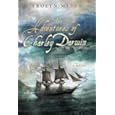
The True Adventures of Charley Darwin by Carolyn Meyer -- Middle Grades Historical Fiction
Carolyn Meyer has chosen a male voice for her latest novel, the voice of a young Charles Darwin. Charley tells his life story as he experiences it from about the age of 8 to early adulthood. His father, a noted physician, was kind but had little time to spare for his youngest son. Young Charley was doted on and primarily raised by his older sisters and palled around with his older brother until it was time to go to boarding school. Poor Charley is bullied by the other children and condemned by his teachers for not doing his lessons. Charley would rather hunt bugs and newts than study Latin or Greek, but science was not considered a worthwhile occupation in the early 19th century. After trying medical school and schooling to become a Clergyman, Charles still longed to study nature. Then came the fateful offer of companionship on a round-the-world trip on the HMS Beagle. The story of Charles Darwin's voyage is recreated from his journals and letters and shares a vivid picture of all the hardships and exciting things he experienced. Five years after leaving England, Charles returns a grown man, still unsure of his future but pondering the weighty questions that would lead to his theory of Transmutation. This book really makes Charles Darwin human. The first person narrative allows the reader to empathize with Charley's very realistic doubts and fears. I liked knowing that Charles Darwin was self-conscious about his nose and got seasick. It's especially important to learn that he did believe in God, though he questioned the absolute veracity of the Bible. I think everyone 10 and up should read this book, regardless of whether they believe in evolution or not because this is a wonderful account of the man who later changed the world forever.

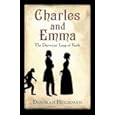
Charles and Emma: The Darwins' Leap of Faith by Deborah Heiligman -- YA Non-Fiction
This is a loving tribute to an unusual couple. This book looks at how Charles Darwin came to be the noted scientist and originator of the theory of evolution with the help of his devoted and loving wife Emma. Emma Wedgewood Darwin was intelligent, outspoken, lively, fun and most of all, a firm believer of Faith. Though it took Charles many years and a pro/con list to decide on marriage, he knew that his cousin Emma was the perfect wife for him. For 43 years Charles and Emma discussed and debated, read and wrote about issues of religion and science. Though their personal views differed, each understood and respected the other's viewpoint and never attacked, argued or criticized. They were best friends and companions through childbirth, death, ill health, and scientific explorations. This book gives the reader a peek into the Darwins' world and illustrates the true partnership of Charles and Emma. The book deals with Charles' explorations, scientific discoveries and questions of Faith as well as his personal life as a caring and devoted husband and father. What most impressed me was that though they had different religious beliefs, Charles and Emma remained a loving couple. The writing style is casual enough for young adults and lively and interesting enough for adults to enjoy as well. This is a great companion to the above book and takes the reader on an incredible journey of love. Again, it doesn't matter whether you believe in evolution, this is a portrait of a man and his wife who loved each other and stood by each other for 43 years despite their differences. Incredible!


Theater Shoes by Noel Streatfeild -- children's classic
Sorrel, Mark and Holly Forbes's father has been missing at sea during WWII for some time now, but the children have got along quietly living with their vicar grandfather and his housekeeper Hannah. When Grandfather dies, the children and Hannah move to London to live with the children's maternal grandmother, the great actress Margaret Shaw. At first the children find life at Grandmother's bleak and lonely, with only Hannah and Grandmother's funny housekeeper Alice for company, but soon Grandmother informs the children that they will be attending the Children's Academy of Dancing and Stage Training in preparation for becoming great actors themselves. Mark wishes to join the Navy and be an Admiral but as there's no money for proper school, he too must join his sisters at the Academy. Sorrel and Holly receive scholarships from the now-famous Pauline and Posy Fossil and the famous Fossils encourage Petrova to issue a scholarship for Mark. Sorrel is pleased, but worried, because she can't keep up with the dancing lessons, Mark is happy as long as he can imagine himself as an animal and sing and Holly likes to dress up and mimic people. At the Academy the Forbes children meet their vain cousin Miranda, already a good actress and sweet Miriam who loves to dance. As the children get more involved with theater training, they learn that they too carry the family talent. I loved this series when I was a kid and love the mention in the movie "You've Got Mail." I reread Ballet Shoes last year and I like Theater Shoes better. It's a bit more realistic than Ballet Shoes and has some good background information on life in London during World War II. The characters were pretty cliched and the plot not exactly new or lively, but I felt connected to the main characters and wished them joy and success. I think this series is best appreciated by the target age group 9-12 year old girls.

Wednesday, October 14, 2009

What I Read This Week

What I've Read This Week . . .


Dear Great American Writers School by Sherry Bunin -- YA Historical Fiction
In 1944, fourteen-year-old Bobby Lee Pomeroy longs to break free of the small Kentucky town she lives in and dreams of being a famous writer. She observes people in the town and writes down her thoughts in a notebook. She is particularly fascinated by Sylvia, the only Jewish girl in town and Thelma, an older girl whose mother is an invalid. When Bobby Lee comes across an ad for The Great American Writers School, a correspondence course for would-be writers, she thinks it's a dream come true and immediately sends a writing sample filled with the observations from her notebook. She's thrilled when the return letter says she has talent and is not daunted by the requests for money for the future lessons. Soon Bobby Lee begins writing regular letters to the wife? daughter? (she's not sure) of the editor at the Great American Writers School. During the year of writing, Bobby Lee learns some important things about writing, friendship and herself. Though Bobby Lee seems naive and immature for her age, she has led a sheltered life in a more innocent time so I found her voice realistic and honest for a girl her age. Bobby Lee's letters are funny and sweet as she reflects on life in a small Kentucky town. I enjoyed reading Bobby Lee's letters and seeing the world through her eyes. This is a good read for young teens and aspiring writers!

The Year of the Sawdust Man by A. LaFaye -- Middle Grades Historical Fiction
Growing up in a small Louisiana town in the 1930s, 11-year-old Nissa Bergen is impervious to the gossip that her mother is strange and a witch because Nissa adores Mama and Mama is Nissa's best friend. Sure Mama is different from the other starchy Bible-thumping ladies who frown on drinking nettle tea, bright colors, dancing in the rain and befriending "Colored" people, but that's what makes Mama special in Nissa's eyes. One Friday after school Nissa comes home to discover that her Mama has left for good. Nissa can't understand why her mother has left and worries that the gossip that Mama ran off with another man is true. Nissa tries to figure out why her Mama got dressed up on Sundays and came home smelling like sawdust and if Mama is with the Sawdust Man and is he taking good care of Mama? Nissa reflects on her close relationship with her mother and worries about her mother's love for her, her parents' love for each other and her father's growing interest in a local spinster. Nissa acts and reacts like a typical hurt and confused child, though she's often told she has the cares of an adult and is old before her time. Her father tries, with patience, to understand Nissa's feelings and help her come to terms with her new life. This is a beautifully written and well-crafted story. The images are so brilliant I can see them easily in my mind and I am convinced they must be based on real incidents because they are so detailed. Nissa is very believable and I could feel her pain and her struggle to figure out what happened and why. I didn't find Nissa whiny or bratty at all. Her father has the patience of a saint and I find him hard to believe and like Nissa, I have mixed feelings about Miss Ross. She seems nice and caring but unable to connect with Nissa. This is a wonderful book for ages 10 and up.

E
dit
h Shay by A. LaFay -- YA Historical Fiction
For her entire 16 years Katherine Lunden has been dreaming of far-away places and leaving the Wisconsin farmland and railroad town behind. In 1869 however, girls are expected to stay home and help their families until they marry a local boy and start a family. Katherine is determined to avoid that fate and seizes an opportunity when she's sent to help family in Michigan and they never arrive at the train station. Discovering a battered old suitcase filled with wrapped gifts bearing the name "Edith Shay" and an address in Richmond, Virginia, Katherine is determined to return the suitcase to its' owner. First though, she must navigate the rough city of Chicago where a girl on her own has little opportunity for survival. Katherine's stubborn pride gets her through the tough times until she finds unexpected guardian angels wherever she goes. Katherine learns to appreciate her family and all her parents have provided for her but doesn't let go of her dreams and her wandering spirit. Katherine is an entirely likable and sympathetic character. I can definitely relate to wanting to travel and see what lies beyond one's small home town and I admired Katherine's spirit and determination. I couldn't put this book down, wanting to see what happened to Katherine next and find out if she finds Edith Shay. This is an interesting look at a time when women were beginning to move beyond the boundaries of their home. I think even modern teens can relate to Katherine and enjoy this novel.


A Season of Gifts by Richard Peck -- Middle Grades Historical Fiction
In August of 1958, a Methodist minister and his family move next door to the formidable Mrs. Dowdel, the larger-than-life colorful Grandma from A Long Way From Chicago and a Year Down Yonder. The season's adventures are told through the eyes of 12-year-old Bob. The family is poor and their church building is in need of extensive repairs. Bob's 14-year-old Elvis-obsessed sister Phyllis is moody and grumpy all the time and his little sister Ruth Ann is only just six, and lives in her own little world. Bob worries about fitting in in his new school and secretly believes the Dowdel place is haunted and strives to stay far away from Mrs. Dowdel. Circumstances (involving bullies, fishing line and a privy) bring Bob to Mrs. Dowdel's attention and soon Bob finds his family interacting with Mrs. Dowdel frequently. Ruth Ann is fascinated by Mrs. Dowdel and imitates her every move, and together they boil up enough trouble to keep the whole town talking for months. Meanwhile, Dad's missing a congregation, Phyllis has found her own personal Elvis and is seldom home yet Mrs. Dowdel seems to know exactly what is going on and how to turn each negative situation into a positive one. Bob stays quietly in the background, observing while strange things happen next door and simple gifts appear in their lives. This is another great yarn from a master storyteller. Peck has a knack of creating larger-than-life characters and throwing them into equally outrageous situations. Mrs. Dowdel is as eccentric as ever and the minister's family is also charmingly quirky. Peck's style reminds me a lot of the movie A Christmas Story. This book is a bit more poignant than the previous two but still contains a lot of the humor Peck is known for. I quite enjoyed this adventure about Mrs. Dowdel and I hope she lives forever so there are more of them!

Calico Bush by Rachel Field with original wood engravings by Allen Lewish -- Middle Grades Historical Fiction/Classic
First published in 1931, this book tells the story of Marguerite "Maggie" Ledoux, a 12-year-old French orphan who is bound-out to a Massachusetts family as they head up the coast to settle in Maine. The journey is difficult and though Marguerite is treated kindly, the Sargent family do not understand or like Marguerite's French ways and Marguerite feels like an outsider. when the family reaches the Maine coast, they learn of the hostilities between the Indians and the local settlers. Neighbors encourage the Sargent's to settle elsewhere but Joel is determined to settle on the acreage he bought. During the first year of settlement, Maggie and the Sargents must learn to tame the wilderness and be strong and brave during difficult times. The far of Indian attack is always on their minds and it's up to Maggie to save the family she has grown to care for. Finally, Maggie must decide whether she is French or American or both and make a monumental decision about her future. This is a Newbury Honor book, though it may be difficult for modern readers to understand the historical usage of derogatory terminology used to describe the Indians and their traditional ways. Modern readers may also find the story slow and lacking in a cohesive plot. I enjoyed the detailed descriptions of the scenery and the struggles the family went through. I had a problem with the historical accuracy of the fashions, some of which belong to the 19th century instead of early 18th century. The same holds true for patchwork quilts, which were more common after the Industrial Revolution at the end of the 18th century. The story was interesting though very sad in some parts. I don't have any memories of reading this book as a child but I am certain I must have, therefore, it wasn't very memorable and I don't think it will be all that memorable this time around either. This book would be best enjoyed by older children and their parents.

Tuesday, October 6, 2009

What I've Read This Week

What I've Read This Week . . .


The Charming Impostor by April Kihlstrom -- Traditional Regency
Helena Stanwood is bored in Bath where she is forced to stay with her father's cousin Roberta while in mourning for her parents who died nearly a year ago. Nella convinces her friend Theodosia Elston to impersonate Nella's brother Bartram in order for the young girls to go out for a drive. Unfortunately, the joke is on them when the real Bartram shows up in Bath insisting on taking Nella back to Stanwood Oaks to keep her out of trouble. He agrees to take Theodosia along, as long as she meets with his approval. Once again, Nella asks her friend to be someone she's not - a prim and proper young miss - in order to fool Bartram. The plan works and they are on their way to the country when Cousin Roberta drops the news that her uncle, Nella and Bartram's grandfather, left a hidden treasure for his male heir to find and inherit. The young ladies quickly turn the house inside and out searching for clues. Their behavior offends the prissy Clarissa Cranely as well as Lord Thomas Holwell, the intended fiances of Bartram and Dosia. A crisis shows Bartram that Theodosia is not the flighty young miss he fears she is but neither is she the prim and proper young lady he first men - she's an impostor and a charming one at that! This is a quick, light read which combines the traditional Regency plot with comedy of manners. The characters are pretty well-developed and have good chemistry. Though I figured out the villain quickly, there are a number of red herrings that made me doubt my hunch. This is a good read for fans of both comedy of manners and traditional mystery plots.


Francesca's Rake by Lynn Kerstan -- Regency Romance
Galen Pender, Viscount Clayborn is happy with his rakehell existence until his domineering father threatens to cut him off unless he marries and produces an heir. His father even has a bride in mind, a woman who comes with a nice parcel of land. Clay's instinct is to rebel against his father and marry an unsuitable woman. At the posting inn on the way to London, he encounters a beautiful goddess who appears to be some sort of chaperon to a young minx and Clay becomes instantly smitten, however the lady wants nothing to do with Clay! The lady in question, Francesca Childe, is a 31-year-old bluestocking, illegitimate daughter of an Italian commoner! She and her mother were rescued from the streets of Naples by the Duke of Sotherton who married Francesca's mother and raised Francesca as his own. Francesca would like nothing more than to stay by her invalid father's side and read to him, but he sends her to London to chaperon her younger cousins during their first Season. Francesca knows that Clay's father has her in mind as a suitable bride for the Viscount and she intends to firmly snub the young man whenever she sees him, but Clay won't be ignored. This Regency is all about feelings. Clay lusts after Francesca and she tries to avoid her feelings about him. It would fall under Subtle Sensuality on All About Romance's Sensuality Rating Guide. The plot didn't interest me too much. It seemed repetitive and the characters never really take the time to think about anyone other than themselves and their own desires, however conflicting they may be. Francesca seems like she'd be an admirable character, I enjoy bluestockings, but I really couldn't like her very much. I think she would have been more interesting had she stayed at home! Read this if you like romance novels but not for period details and good plot.

Forest Born by Shannon Hale : Books of Bayern 4 -- YA Fantasy
Rinna's whole life has been spent in her beloved forest surrounded by her large, lively, loving family. She tries to blend in and be whatever is expected of her but deep down inside she knows something is different and potentially wrong with her. When she was a child, the trees offered comfort and allowed her to feel them deep inside. Now she is a teenager, and the trees no longer offer her the serenity she desires. In an effort to find her true home and rid herself of her problem, Rinna joins her brother Razzo and his girl Dasha in the city where she becomes waiting woman to the queen. Rinna feels a special bond with the little prince Tusken and takes on nurse maid duties, determined to protect the boy from another waiting woman whom Rinna does not trust. The King and Bayern's Own are called to the border of a neighboring country and are attacked by fire speakers. One man is killed and the King is injured. Determined to protect her country and her family, the Queen sets off with Enna and Dasha to journey to Kel. Rinna feels a special attraction to the other girls and sneaks off to join them. During their long journey, Rinna will learn things she never knew about herself and come to terms with her "otherness" and help rescue her friends and Bayern from an old enemy who wants them dead. This is a great sequel to the other Books of Bayern. Rinna is full of teen angst and when she leaves home for the first time, her feelings are similar to those of a real life modern teenager. She's the most realistic of Hale's heroines because of her emotions. The plot is suspenseful and the ending is different, leaving me wanting one more book about Rinna! I liked this book best after Goose Girl.


D
ownright Dencey by Caroline Dale Snedeker
-- Middle Grades Historical Fiction/Classic
This 1928 Newbury Honor Winner book is about a young Quaker girl on Nantucket in the 1820s. Dionis (Dencey) Coffyn is proud to be the descendant of one of the original founding Quakers of Nantucket and the daughter of a whaling ship captain. She tries to mind her mother while her father is away and follow the Quaker ways. When some of the local boys tease her about her darker skin tone, the teasing causes proud Dencey to react by throwing stones back at the boys. One stone hits an orphan boy, Sam Jetsam, and cuts him on the shoulder. Horrified, Dencey runs away but her conscience and her Quaker upbringing can not let her leave the incident alone. She sneaks off to the Commons to meet Jetsam and ask him to forgive her. He refuses her apology and her greatest treasure until she promises him her book, Pilgrim's Progress and reading lessons. Soon Dencey is sneaking off as often as possible to help Jetsam learn to read. The two try to outwit "Injun Jill," Jetsam's guardian who is jealous of Dencey and Jetsam's friendship and Jetsam's new skill. When the friendship is discovered, Dencey's will is tested and she must decide whether to obey her mother or her own feelings. One stormy evening, Jetsam's loyalty is tested and brings him to the notice of Dencey's family in a positive way. As the years pass, friendship grows into young love and the two friends must chart their own paths in life, either separate or together. This was a difficult book to read for a number of reasons. First, before the plot moves forward, it goes back in time, covering Dencey's family history and her earliest childhood memories, then it goes back to the main story. It also seeks to accurately (?) portray Quaker life of the early 19th century in all it's simplicity including plain speech. The book also contains a number of racial and ethnic slurs which are not considered appropriate by today's standards. This book should not be read through a modern lens but appreciated for it's historical value.

Plain Girl by Virginia Sorensen -- Middle Grades classic
Esther is a young Amish girl growing up in Pennsylvania in the mid-20th century. She has always trusted her parents to teach her the ways of their people, but when the school board demands Esther be sent to school, she worries about being with non-Amish children and what that means for her beliefs. Her older brother Dan went to school and then he went Away (from the Amish). A pretty girl in a pink dress at school wants to befriend Esther and Esther wants to be friends with the girl but doesn't know if she should. Is wanting to be friends with someone outside the Amish culture the first step Away? Esther ponders the problem and begins to question the rigid beliefs of her family in this classic story. This book nicely explains the strict Amish beliefs and raises many good questions. The story moved a little slowly in the beginning but picked up after a few chapters. I would recommend this to girls interested in Amish culture in addition to Lois Lenski's Amish Girl.

Thursday, September 10, 2009

What I've Read This Week

What I've Read This Week . . .

Glory in the Flower (Keeping Days #2) by Norma Johnston -- YA Historical Fiction/Classic This book picks up where Keeping Days left off. Tish reflects on the past six months and is determined to be more mature in the next six months and handle what life gives her. She has a lot of new things to juggle this year: school, homework, Mama's impending new arrival, not to mention the revival of the Brownings literary society and the school's production of Romeo and Juliet in which Tish and her sort-of-boyfriend Ken play the leads! There's also continued altercations with Mary Lou Hodge, the town hoodlum Doug, who happens to be Ken's brother, worrying about big brother Ben, younger sister Marnie and trying to sort out her feelings for Ken. Through it all, Tish writes faithfully in her journal and learns a lot about herself and her family in the process. I enjoyed this second book much better than the first. The plot seemed more interesting and realistic and I could relate to Tish's feelings about High School and wanting to maintain the same level of academic success she had always been known for. The story is told is beautifully written prose with some very moving passages. The style seems too introspective and sophisticated for Tish's character though, but that's really my only complaint.

The Sanctuary Tree (Keeping Days #3) by Norma Johnston -- YA Historical Fiction/Classic
The third book in the Keeping Days series follows Tish and her family through the last half the year 1901. With the loss of her beloved Gramps and her beau Kenneth moving away, new teachers, new assignments and family obligations, Tish is worn thin. This time Tish can't even turn to her writing because she believes the magic is gone. When she needs a friend the most, her friends turn on her, not understanding that she's grown up a lot in the last year and moved beyond the emotional level of her peers. She feels no one understands her except Ken and he has enough trouble worrying about his own family. Only when someone holds a mirror up to Tish to view her own behavior can she examine herself and discover what really matters in life. This book is very similar to the first one in tone and plot. Tish was excessively annoying in this book and even though I remember feeling that way at her age, I felt bad for everyone else instead of sympathizing with her. There is also a lot of religious philosophy and Christian teachings throughout the book. The voice of the character still doesn't sound like a teenager and I am still not wild about this series.

A Mustard Seed of Magic (Keeping Days #4) by Norma Johnston -- YA Historical Fiction/Classic
A continuation of 6 months in the life of Tish Sterling leading up to her 16th birthday. In this book, Tish tries to rediscover her lost love of writing and enlists the help of Mrs. Owens, her former English teacher. Tish isn't quite prepared for what learning to write well brings her and once again she feels alienated from her friends. She also misses Kenneth Latham, who is struggling with his own problems in Pennsylvania. Mary Hodge is back in town and no one can seem to forget what she did. Tish tries to help Mary, but only makes the situation worse. With help from her brother Ben, her friends and Mrs. Owens, Tish finally comes to know who she is and know what she wants. This is my least favorite of the series. I found it just more of the same from the first book and I got tired of Tish being obnoxious and melodramatic. There is also quite a bit of religious philosophy and debate and deep introspection. I think the author tried too hard and put her own interests and thoughts into the plot which makes it seem unrealistic for a story narrated by a teenager.

A Nice Girl Like You (Keeping Days #5) by Norma Johnston -- YA Historical Fiction/Classic
This 5th book in the Keeping Days series stars Saranne Albright, Tish Sterling's niece. Saranne is 15 and the daughter of a famous women's rights activist and niece of a famous writer. She feels the weight of expectations on her and thinks she can't live up to them. Saranne's family say she is sensitive like Tish and the thing Saranne is most sensitive about is being nice. She wants to be bold like Katie or do something great like Tish but instead, she's just there to lend an ear or a hand. Old scandals resurface from the Hodge family and old prejudices and past deeds are heaped on the head of 16-year-old Paul Hodge, the local bad boy. Saranne sees the potential in Paul and when he needs a friend the most, she enlists the help of her family to unbury old secrets and save Paul. Saranne also tries to help her widowed aunt recently returned from England with her own little girl. Like Tish, Saranne feels others' pain deeply but because she's less stubborn and proud than Tish, she is better at assessing what needs to be done to fix the situation. I liked Saranne and felt sorry for her in the beginning and enjoyed seeing her come into her own. The same old message about passing judgment is revisited here but in a slightly less heavy-handed tone than the stories narrated by Tish. It was fun, yet surprising, to see what happened to the old familiar characters. Unfortunately, the local library doesn't have the final volume of the series so I'm left wondering what happened to certain characters and how it all ends up. If you know, leave me a comment with a detailed plot description!

Friday, April 10, 2009

What I've read this week

What I've read this week...


The Semi-Attached Couple by Emily Eden  
Emily Eden was a 19th century novelist compared to Jane Austen because of her style and wit. The Semi-Attached Couple was written in 1830 but published in 1860. It features two country families who are friends and rivals. The Douglases resemble the Bennets's from Pride and Prejudice: the parents married for money but have considerably less than their neighbors and have two sweet marriageable-age daughters. Most of the story revolves around the misunderstandings of a young married couple and the primary action takes place their house party. The cast of characters includes the young married couple, an innocent country maiden, a Society gossip, an heiress, a blase captain, a young lord and a rake. I thought the story was rather slow and not very interesting for the most part. There were too many characters and I didn't care for any of them. The plot about the newlyweds didn't interest me until 3/4 of the way through. The plot picked up toward the end but the story ended rather abruptly and predictably.

T
he Semi-Detatched House by Emily Eden
A wealthy young wife with a vivid imagination rents a semi-detached house and fears the worst of her neighbors. The neighbors, a matron and her two young-adult daughters, grandson and melancoly son-in-law, fear the worst of their neighbor too until a chance meeting brings them together. There is also a subplot about a scheming nouveaux riche businessman and his vulgar wife and her intelligent, witty niece. Though the subplot about the businessman was cleary anti-semitic, it was amusing because the characters were so over the top. The occupants of the semi-detached were kind and good and likeable. Everything turns out for the best. This is a sweet little novel.