What I Read in January 2016 Part IV. . .
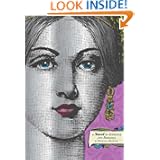
The Revelation of Louisa May by Michaela MacColl--Middle Grades Historical Fiction

Louisa May Alcott may only be 15, but she knows her father will never go out to work to support the family, though he is willing to accept other people's hard earned money. Even so, Louisa is shocked to discover that her mother is going away to work in New Hampshire and taking little May with her. With oldest sister Anna away teaching school, it's up to Louisa to take care of the household. This does not sit well with Louisa. She'd rather be reading and writing or dreaming up new story ideas outside. When she discovers an unexpected "package", a runaway slave by the name of George, her burdens increase but Louisa feels George is her responsibility. When her relative Fred comes to stay, Louisa anticipates a fun time, especially since he promises to pay for his keep. Another visitor arrives in Concord but not a welcome one - a slave catcher is on the trail of a runaway slave and he suspects Louisa and the Alcotts are harboring the fugitive. Louisa won't let her slave go without a fight but the slave catcher offers money and she wonders whether others in the family might give in. She also has to worry about Miss Whittaker, another newcomer to Concord, taking up her father's attention. Can Louisa handle all these burdens?
I have mixed feelings about this story. Louisa May Alcott is my hero and while I enjoyed this look at her young life, I could have done without the romance subplot/s and the murder mystery. Even so, the mystery was difficult to figure out until just before Louisa did and kept me reading until I finished the book. I loved picturing Concord and Louisa running around the town. It's a place I've been to many times and I was just there. Next year, I will picture Louisa shopping on Main Street as I shop Main Street and ask where the hotel was! [ahh a little research shows me it was demolished in 1900. drat! ] I'll have to bring the book as a guide. My major beef with the story, besides the romance stolen from Little women, is the way the author changed the real names of Louisa's sisters. Anna is here called Anne, Lizzie is called Beth and Abby May is May as she was known later in her life. The author did extensive research so I'm not sure why she changed Anna to Anne. I can see changing Lizzie to Beth to match the story. I think this book is best appreciated for younger readers who haven't yet read Little Women or any biographies of Louisa. I've read other, better stories about Louisa as a child.
The character of Louisa seems consistent with the real Louisa. She's not your typical heroine - she's intelligent but she doesn't have an outlet for her intelligence; she's wise beyond her years at this point but as a child and a woman she can't speak. Louisa is also ornery and has a hot temper. I found this Louisa very realistic and I liked her and the woman she was becoming. However, she was rather indiscreet about her runaway slave. The story features the other members of the Alcott family: Marmee (Abigail) who I don't think ever spoke to her husband that way even though she probably felt exasperated with his lack of ambition. She seemed a bit more modern than her real-life counterpart, who was ahead of her time in many ways. Sweet Beth seems to be consistent with the little we know about Lizzie. Bronson is a difficult character. Like Louisa, I have mixed feelings about him. I admire his principles and his sticking to them, but at the same time he had a family to support and never did much to financially support them. Abigail did go away to work for money. This Bronson is not a likable person. He is whiny, selfish and really really annoying. I wanted to yell at him the way Louisa did! (I highly doubt she actually spoke to her father that way except in the pages of her journal).
Other real life figures include the great Mr. Emerson and his wife Lidian and Henry Thoreau. I have mixed feelings about all of them. Emerson was a great intellectual and Lidian knew that when she married him and I'm not sure what her expectations were but his seem in line with what most married men wanted in a wife at that time. I feel a little bad for Lidian but she chose to marry Emerson. I am conflicted how I feel about him though because of his lack of involvement in the Underground Railroad, however, I wouldn't have the courage to do what the Alcotts did in this novel and in real life. I always pictured Thoreau a little more eccentric and free-spirited and less interested in what people think.
Numerous fictional characters also populate the pages of the novel. First is George, a runaway slave, who is so absolutely inaccurate, it drove me crazy. From what I know about runaway slaves, they would never reveal themselves to a stranger and ask "Are you the Stationmaster?" That would be extremely stupid if the person he was addressing was not involved in the Underground Railroad. They probably wouldn't reveal too much in the way of personal information and neither would those who were hiding him. It was just too dangerous. Other than his extreme stupidity on behalf of the author anyway, I liked George and I was rooting for him to be free. Then there's Fred, a university student and relative of the Alcotts. He is obviously modeled after Laurie in Little Women. I liked him for the most part but not all the time. There's also Mr. Pryor, the tavern keeper who may or may not be a fictional character. I didn't like him very much. He seemed too weak-willed and willing to give in. Miss Whittaker is a literary agent making up to Bronson and I felt towards her the same feelings Louisa had in the novel. Finally, there's the villain, Mr. Finch, the slave catcher. Obviously he's the character we're supposed to hate. He's not a complicated man - just the villain.
If you read this book and want to go to Concord, be sure to check out The Wayside, the home where the Alcotts lived during the time of this novel. It was also the place where many of the events in Little Women actually took place.
The Revelation of Louisa May by Michaela MacColl--Middle Grades Historical Fiction
Louisa May Alcott may only be 15, but she knows her father will never go out to work to support the family, though he is willing to accept other people's hard earned money. Even so, Louisa is shocked to discover that her mother is going away to work in New Hampshire and taking little May with her. With oldest sister Anna away teaching school, it's up to Louisa to take care of the household. This does not sit well with Louisa. She'd rather be reading and writing or dreaming up new story ideas outside. When she discovers an unexpected "package", a runaway slave by the name of George, her burdens increase but Louisa feels George is her responsibility. When her relative Fred comes to stay, Louisa anticipates a fun time, especially since he promises to pay for his keep. Another visitor arrives in Concord but not a welcome one - a slave catcher is on the trail of a runaway slave and he suspects Louisa and the Alcotts are harboring the fugitive. Louisa won't let her slave go without a fight but the slave catcher offers money and she wonders whether others in the family might give in. She also has to worry about Miss Whittaker, another newcomer to Concord, taking up her father's attention. Can Louisa handle all these burdens?
I have mixed feelings about this story. Louisa May Alcott is my hero and while I enjoyed this look at her young life, I could have done without the romance subplot/s and the murder mystery. Even so, the mystery was difficult to figure out until just before Louisa did and kept me reading until I finished the book. I loved picturing Concord and Louisa running around the town. It's a place I've been to many times and I was just there. Next year, I will picture Louisa shopping on Main Street as I shop Main Street and ask where the hotel was! [ahh a little research shows me it was demolished in 1900. drat! ] I'll have to bring the book as a guide. My major beef with the story, besides the romance stolen from Little women, is the way the author changed the real names of Louisa's sisters. Anna is here called Anne, Lizzie is called Beth and Abby May is May as she was known later in her life. The author did extensive research so I'm not sure why she changed Anna to Anne. I can see changing Lizzie to Beth to match the story. I think this book is best appreciated for younger readers who haven't yet read Little Women or any biographies of Louisa. I've read other, better stories about Louisa as a child.
The character of Louisa seems consistent with the real Louisa. She's not your typical heroine - she's intelligent but she doesn't have an outlet for her intelligence; she's wise beyond her years at this point but as a child and a woman she can't speak. Louisa is also ornery and has a hot temper. I found this Louisa very realistic and I liked her and the woman she was becoming. However, she was rather indiscreet about her runaway slave. The story features the other members of the Alcott family: Marmee (Abigail) who I don't think ever spoke to her husband that way even though she probably felt exasperated with his lack of ambition. She seemed a bit more modern than her real-life counterpart, who was ahead of her time in many ways. Sweet Beth seems to be consistent with the little we know about Lizzie. Bronson is a difficult character. Like Louisa, I have mixed feelings about him. I admire his principles and his sticking to them, but at the same time he had a family to support and never did much to financially support them. Abigail did go away to work for money. This Bronson is not a likable person. He is whiny, selfish and really really annoying. I wanted to yell at him the way Louisa did! (I highly doubt she actually spoke to her father that way except in the pages of her journal).
Other real life figures include the great Mr. Emerson and his wife Lidian and Henry Thoreau. I have mixed feelings about all of them. Emerson was a great intellectual and Lidian knew that when she married him and I'm not sure what her expectations were but his seem in line with what most married men wanted in a wife at that time. I feel a little bad for Lidian but she chose to marry Emerson. I am conflicted how I feel about him though because of his lack of involvement in the Underground Railroad, however, I wouldn't have the courage to do what the Alcotts did in this novel and in real life. I always pictured Thoreau a little more eccentric and free-spirited and less interested in what people think.
Numerous fictional characters also populate the pages of the novel. First is George, a runaway slave, who is so absolutely inaccurate, it drove me crazy. From what I know about runaway slaves, they would never reveal themselves to a stranger and ask "Are you the Stationmaster?" That would be extremely stupid if the person he was addressing was not involved in the Underground Railroad. They probably wouldn't reveal too much in the way of personal information and neither would those who were hiding him. It was just too dangerous. Other than his extreme stupidity on behalf of the author anyway, I liked George and I was rooting for him to be free. Then there's Fred, a university student and relative of the Alcotts. He is obviously modeled after Laurie in Little Women. I liked him for the most part but not all the time. There's also Mr. Pryor, the tavern keeper who may or may not be a fictional character. I didn't like him very much. He seemed too weak-willed and willing to give in. Miss Whittaker is a literary agent making up to Bronson and I felt towards her the same feelings Louisa had in the novel. Finally, there's the villain, Mr. Finch, the slave catcher. Obviously he's the character we're supposed to hate. He's not a complicated man - just the villain.
If you read this book and want to go to Concord, be sure to check out The Wayside, the home where the Alcotts lived during the time of this novel. It was also the place where many of the events in Little Women actually took place.