
What I Read in July 2015 Part IV ...
The Age of Innocence by Edith Wharton --classic historical fiction/romance
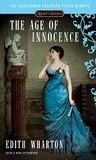 In the earl 1870s New York society was populated with a handful of old monied families. They had a traditional outlook on life and did everything the way it always had been. Any ruffle in their staid little world was met with derision and ignored by the grands dames. Newland Archer is a dutiful son of Old New York. He's engaged to the beautiful, young and very innocent May Welland. It will be a marriage between two of the leading families as May is the granddaughter of Catherine Mingott, THE leader of Society. Newland can't wait to marry his lovely bride but May and her parents are reluctant to make the engagement official by announcing it. When May's cousin Ellen, the Countess Olenska, returns to New York minus her husband, tongues start wagging. It seems Ellen has left her husband and ran off with his secretary. That just isn't done! Newland feels sympathetic towards his old playmate. He resolves to stand by her, preferably as a member of the family. When Newland becomes reacquainted with Ellen he discovers that he is not so wed to tradition as he thought. In fact, he finds the restrictions of New York society boring and stifling. The more he sees Ellen, the more he feels connected to her, but it's too late for May has agreed to a spring wedding! Will Newland ever find happiness in the life he has chosen or will he have the courage to go against everything he has been brought up to believe? Ellen has high moral standards and would ensure Archer sticks to them if she can, but there may come a time when good sense yields to temptation. What to do then?
Well. I finished finally. This is not the most engaging of novels. Though it's set in the 1870s, it was written in the 1920s in a modern style. I had a hard time following the narrative. It skips around in time and features a lot of unspoken thoughts that follow on the heels of dialogue so the reader has to pay careful attention to the text. I had to go back and read entire chapters again because my mind had wandered or I wasn't paying close enough attention. The plot moves slowly but I was interested to see how it ended up. Overall I found the story slow and sad. I did not like the stifling society that operates with blinders on. I believe in plain speaking and would go crazy if I was subjected to the gossiping old biddies and their speculation. I could not put up with not speaking my mind. The historical details are incredible! Edith Wharton gives the reader the sense of being in a room and actually seeing the furnishings. She must have had an incredible memory! I especially enjoyed the Newport section, which I listened to on the bus ride to Newport. I learned a little something new about Newport in the Gilded Age which is not part of the official history.
As for the characters, I really did not like Newland. He is a poseur, not an authentic bohemian. He is one who is bemused and excited by something new but too lazy and self-indulgent to move beyond the borders of the traditional society in which he was raised. He's a total Mama's boy in the beginning and doesn't really experience positive character growth. He does experience a revelation at the end - 26 years later and a few flashes of insight in-between. His insights don't mean much in the long run. Ellen represents the exotic and different life Newland wishes he had because he's so bored. I felt he acted very selfishly with Ellen. It was all about him and his feelings and not so much about her. I was so annoyed with him by the last few chapters. He rarely thought about how his actions would affect anyone else. He might long for passion but domesticity has a stronger pull on him. I did feel a twinge of sadness for him in the final chapter but it also illustrates his character.
Ellen is a much more appealing character. At first I wasn't sure if she was coldly calculating or if she sincerely longed for the staid, quiet lifestyle of Old New York. As the story went on, it became obvious that Ellen is her own person. She respects her grandmother and the traditions of Mrs. Mingott's society, but she also doesn't bow to the pressure of conformity. Even so, she doesn't yield to impulse. She has a good head on her shoulders and sticks to her strong morals. She encourages Newland to do the same. Ellen's character is more firm than Newland's. She knows what she has to do and does her best to ignore the gossip and speculation. She has a kind heart and cares a lot for her family. I especially liked her actions towards the end and what we're told about her in the final chapters, though it made me sad. I wish Edith Wharton had told us more about Ellen but the story is from Newland's point-o-view.
May is a somewhat sympathetic character but I also found her insanely irritating due to her limited outlook on life. I felt bad for her that she was unable to break free of the way she was raised. She also seemed to have limited intelligence due to lack of cultivation of her mind. May was exactly the way she was supposed to be - a copy of her mother. Yet Newland seemed to glimpse more in her than she was willing to let free. If only they actually talked to one another. I think if Newland had been more committed to cultivating their relationship and getting to know each other, she may have been able to grow and adapt to the changing society. She represents Wharton's commentary on the education of girls in her youth and how limiting it was. The women in this novel also represent Wharton's views on marriage.
My favorite character was old Mrs. Mingott. She reminded me a bit of Lady Violet in Downton Abbey. She rules over a traditional society but also has some quirks that set her apart from her friends and relations. She acts according to he own whims and she loves her family and wants them to be happy. She also provides the story with a bit of comic relief.
I would recommend this to people interested in 19th century American life, and those interested in Old New York. If you want to understand Mrs. Astor, you need to read this book. I would also suggest adult fans of the American Girl Samantha series read this novel to better understand Samantha's GrandMary! GrandMary seems to be a product of Old New York and Cornelia represents the next generation represented in the final chapter of this novel.
In the earl 1870s New York society was populated with a handful of old monied families. They had a traditional outlook on life and did everything the way it always had been. Any ruffle in their staid little world was met with derision and ignored by the grands dames. Newland Archer is a dutiful son of Old New York. He's engaged to the beautiful, young and very innocent May Welland. It will be a marriage between two of the leading families as May is the granddaughter of Catherine Mingott, THE leader of Society. Newland can't wait to marry his lovely bride but May and her parents are reluctant to make the engagement official by announcing it. When May's cousin Ellen, the Countess Olenska, returns to New York minus her husband, tongues start wagging. It seems Ellen has left her husband and ran off with his secretary. That just isn't done! Newland feels sympathetic towards his old playmate. He resolves to stand by her, preferably as a member of the family. When Newland becomes reacquainted with Ellen he discovers that he is not so wed to tradition as he thought. In fact, he finds the restrictions of New York society boring and stifling. The more he sees Ellen, the more he feels connected to her, but it's too late for May has agreed to a spring wedding! Will Newland ever find happiness in the life he has chosen or will he have the courage to go against everything he has been brought up to believe? Ellen has high moral standards and would ensure Archer sticks to them if she can, but there may come a time when good sense yields to temptation. What to do then?Well. I finished finally. This is not the most engaging of novels. Though it's set in the 1870s, it was written in the 1920s in a modern style. I had a hard time following the narrative. It skips around in time and features a lot of unspoken thoughts that follow on the heels of dialogue so the reader has to pay careful attention to the text. I had to go back and read entire chapters again because my mind had wandered or I wasn't paying close enough attention. The plot moves slowly but I was interested to see how it ended up. Overall I found the story slow and sad. I did not like the stifling society that operates with blinders on. I believe in plain speaking and would go crazy if I was subjected to the gossiping old biddies and their speculation. I could not put up with not speaking my mind. The historical details are incredible! Edith Wharton gives the reader the sense of being in a room and actually seeing the furnishings. She must have had an incredible memory! I especially enjoyed the Newport section, which I listened to on the bus ride to Newport. I learned a little something new about Newport in the Gilded Age which is not part of the official history.
As for the characters, I really did not like Newland. He is a poseur, not an authentic bohemian. He is one who is bemused and excited by something new but too lazy and self-indulgent to move beyond the borders of the traditional society in which he was raised. He's a total Mama's boy in the beginning and doesn't really experience positive character growth. He does experience a revelation at the end - 26 years later and a few flashes of insight in-between. His insights don't mean much in the long run. Ellen represents the exotic and different life Newland wishes he had because he's so bored. I felt he acted very selfishly with Ellen. It was all about him and his feelings and not so much about her. I was so annoyed with him by the last few chapters. He rarely thought about how his actions would affect anyone else. He might long for passion but domesticity has a stronger pull on him. I did feel a twinge of sadness for him in the final chapter but it also illustrates his character.
Ellen is a much more appealing character. At first I wasn't sure if she was coldly calculating or if she sincerely longed for the staid, quiet lifestyle of Old New York. As the story went on, it became obvious that Ellen is her own person. She respects her grandmother and the traditions of Mrs. Mingott's society, but she also doesn't bow to the pressure of conformity. Even so, she doesn't yield to impulse. She has a good head on her shoulders and sticks to her strong morals. She encourages Newland to do the same. Ellen's character is more firm than Newland's. She knows what she has to do and does her best to ignore the gossip and speculation. She has a kind heart and cares a lot for her family. I especially liked her actions towards the end and what we're told about her in the final chapters, though it made me sad. I wish Edith Wharton had told us more about Ellen but the story is from Newland's point-o-view.
May is a somewhat sympathetic character but I also found her insanely irritating due to her limited outlook on life. I felt bad for her that she was unable to break free of the way she was raised. She also seemed to have limited intelligence due to lack of cultivation of her mind. May was exactly the way she was supposed to be - a copy of her mother. Yet Newland seemed to glimpse more in her than she was willing to let free. If only they actually talked to one another. I think if Newland had been more committed to cultivating their relationship and getting to know each other, she may have been able to grow and adapt to the changing society. She represents Wharton's commentary on the education of girls in her youth and how limiting it was. The women in this novel also represent Wharton's views on marriage.
My favorite character was old Mrs. Mingott. She reminded me a bit of Lady Violet in Downton Abbey. She rules over a traditional society but also has some quirks that set her apart from her friends and relations. She acts according to he own whims and she loves her family and wants them to be happy. She also provides the story with a bit of comic relief.
I would recommend this to people interested in 19th century American life, and those interested in Old New York. If you want to understand Mrs. Astor, you need to read this book. I would also suggest adult fans of the American Girl Samantha series read this novel to better understand Samantha's GrandMary! GrandMary seems to be a product of Old New York and Cornelia represents the next generation represented in the final chapter of this novel.


